




24-hour customer service hotline:
0086+400-800-8605
+86176-1673-8512
Reservation:
+86-0536-7519229
Industrial wastewater has the characteristics of large discharge, wide pollution range and complex discharge mode; There are many kinds of pollutants and the concentration fluctuates greatly; The pollutants are highly toxic and harmful, and the migration and change laws of pollutants after discharge are different; It is difficult to recover.
The amount of industrial wastewater depends on the water consumption. Metallurgy, papermaking, petroleum industry, electric power and other industries consume a large amount of water and waste water. For example, some steel mills produce 200-250 tons of waste water from one ton of steel. However, the actual amount of wastewater discharged from each factory is also related to the recycling rate of water. For example, in a steel plant with a high recycling rate, the amount of waste water discharged from the production of 1 ton of steel is only about 2 tons.
The quality of industrial wastewater is complex and cannot be treated by a single process. Generally, a combination process of multiple methods is adopted. There are generally three ways of industrial sewage treatment: first, industrial sewage is discharged after separate treatment; second, industrial sewage is discharged into urban sewage treatment plant for treatment; third, industrial sewage enters urban sewage treatment plant after pretreatment.
In recent years, new methods and technologies have been used to treat industrial wastewater, but each has its advantages and disadvantages. The effluent of simple biological oxidation method contains a certain amount of refractory organic matter, and the COD value is high, which cannot fully meet the discharge standard. Although the adsorption method can remove COD well, there are problems of regeneration of adsorbent and secondary pollution. Although the catalytic oxidation method can degrade the organic matter which is difficult to be biodegraded, it has the problems of high operating cost in the actual industrial application.
In particular, the pollutants in the industrial wastewater are various, and it is often impossible to remove all the pollutants in the wastewater with one process. It is very difficult to treat industrial wastewater to the discharge standard by physicochemical process, and the operation cost is high; Industrial wastewater contains many refractory organic substances, and its biodegradability is poor. Moreover, the quantity and quality of industrial wastewater vary greatly. Therefore, the effect of direct biochemical treatment of industrial wastewater is not very ideal.
In view of the characteristics of industrial wastewater treatment, we believe that appropriate pretreatment methods should be adopted according to the actual wastewater quality, such as flocculation, internal electrolysis, electrolysis, adsorption, photocatalytic oxidation and other processes, so as to destroy the refractory organics in the wastewater and improve the biodegradability of the wastewater; In addition, biochemical methods, such as SBR, contact oxygen industrial technology and a / O process, are used to treat industrial wastewater.
Brief introduction of typical industrial wastewater treatment methods
Phenol containing wastewater
It mainly comes from industrial departments such as coking plant, gas plant, petrochemical plant and insulating material plant, as well as the production process of petroleum cracking to ethylene, synthetic phenol, polyamide fiber, synthetic dye, organic pesticide and phenolic resin. Phenol containing wastewater mainly contains phenolic compounds, such as phenol, cresol, xylenol and nitrocresol. Phenolic compounds are protoplast poisons that can coagulate proteins. When the mass concentration of phenol in the water reaches 0.1-0.2mg/l, the fish meat has peculiar smell and cannot be eaten; If the mass concentration increases to 1mg / L, the spawning of fish will be affected. If the phenol content is 5-10mg / L, the fish will die in large numbers.
Phenol in drinking water can affect human health. Even if the concentration of phenol in the water is only 0.002mg/l, chlorine disinfection will produce chlorophenol odor. Generally, the phenol containing wastewater with a mass concentration of 1000mg / L is called high concentration phenol containing wastewater. This wastewater must be treated after phenol is recovered. Phenol containing wastewater with mass concentration less than 1000mg / L is called low concentration phenol containing wastewater. This kind of wastewater is usually recycled, and the phenol is concentrated and recovered for post-treatment. The methods for recovering phenol include solvent extraction, steam stripping, adsorption and closed circulation. The wastewater containing phenol with a mass concentration of less than 300mg / l can be treated by biological oxidation, chemical oxidation, physical and chemical oxidation and then discharged or recovered.
Mercury containing wastewater
Mercury containing wastewater mainly comes from non-ferrous metal smelting plants, chemical plants, pesticide plants, paper mills, dye plants and thermal instrument plants. Methods for removing inorganic mercury from wastewater include sulfide precipitation, chemical coagulation, activated carbon adsorption, metal reduction, ion exchange and microbial methods. Generally, alkaline mercury containing wastewater is usually treated by chemical coagulation or sulfide precipitation. The acid mercury containing wastewater can be treated by metal reduction method. Low concentration mercury containing wastewater can be treated by activated carbon adsorption method, chemical coagulation method or activated sludge method. Organic mercury wastewater is difficult to treat. Organic mercury is usually oxidized to inorganic mercury before treatment.
The toxicity of various mercury compounds varies greatly. Elemental mercury is basically non-toxic; The ascending mercury in the inorganic mercury is a highly toxic substance, while the phenyl mercury in the organic mercury decomposes quickly and has little toxicity; Methylmercury is easily absorbed into the human body, not easily degraded, and excreted slowly, especially in the brain. The toxicity Z is large, for example, Minamata disease is caused by methylmercury poisoning.
Oily wastewater
Oily wastewater mainly comes from petroleum, petrochemical, iron and steel, coking, gas generation station, mechanical processing and other industrial departments. The relative density of oil pollutants in wastewater is less than 1 except that the relative density of heavy tar is above 1.1. Oil substances usually exist in three states in wastewater.
(1) When oil is floating, the particle size of oil droplets is greater than 100 µ m, which is easy to be separated from wastewater.
(2) Disperse oil. The particle size of oil droplets is between 10 and 100 µ m, and they float in water.
(3) Emulsified oil, the particle size of oil droplets is less than 10 µ m, which is difficult to separate from wastewater.
As the oil concentration in the wastewater discharged from different industrial departments varies greatly, for example, the oil content in the wastewater produced in the oil refining process is about 150-1000mg / L, the tar content in the coking wastewater is about 500-800mg / L, and the tar content in the wastewater discharged from the gas generation station can reach 2000-3000mg / L.
Therefore, the treatment of oily wastewater should first use the oil separator to recover the floating oil or heavy oil. The treatment efficiency is 60% - 80%, and the oil content in the effluent is about 100-200mg / L; Emulsified oil and dispersed oil in wastewater are difficult to treat, so emulsification should be prevented or reduced. One of the methods is to reduce the emulsification of oil in wastewater during the production process; Second, during the treatment process, the number of times of lifting the wastewater by the pump shall be minimized to avoid increasing the emulsification degree. Air floatation and demulsification are usually used as treatment methods.
Comprehensive heavy metal wastewater
The comprehensive heavy metal wastewater is composed of heavy metal wastewater containing copper, nickel, zinc and other non complexes, as well as acid and alkali pretreatment wastewater. This kind of wastewater treatment method is relatively simple. Generally, the process of hydroxide precipitation under alkaline conditions is adopted for treatment. The process flow is as follows:
Comprehensive heavy metal wastewater → regulating tank → fast mixing tank → slow mixing tank → inclined pipe sedimentation tank → filtration → pH callback tank → discharge
The reaction conditions are generally controlled at pH 9-10, and the specific z-optimal pH conditions are determined during commissioning. The reaction time is 20-30 minutes in the fast mixing tank and 10-20 minutes in the slow mixing tank. The mixing mode shall be mechanical mixing, or air mixing.
Comprehensive treatment of various electroplating wastewater
When a electroplating plant contains a variety of electroplating wastewater, such as cyanogen containing wastewater, hexavalent chromium containing wastewater, acid-base containing wastewater, heavy metal copper, nickel, zinc and other comprehensive wastewater, the wastewater diversion treatment method is generally adopted. First, the cyanogen containing wastewater and chromium containing wastewater shall be separately collected from the production line, and then the cyanogen containing wastewater and chromium containing wastewater shall be treated according to the corresponding methods above, The treated wastewater is mixed into the comprehensive wastewater for subsequent treatment by coagulation sedimentation. The process flow is as follows:
Cyanide containing wastewater → regulating tank → primary cyanide breaking tank → secondary cyanide breaking tank → comprehensive wastewater tank
Chromium containing wastewater → regulating tank → chromium reduction tank → comprehensive wastewater tank
Comprehensive wastewater → comprehensive wastewater tank → fast mixing tank → slow mixing tank → inclined pipe sedimentation tank → intermediate tank → filter → pH callback tank → discharge
Cyanide containing wastewater
Cyanide containing wastewater mainly comes from electroplating, gas, coking, metallurgy, metal processing, chemical fiber, plastic, pesticide, chemical industry and other departments. Cyanogen containing wastewater is a kind of industrial wastewater with high toxicity. It is unstable in water and easy to decompose. Inorganic cyanogens and organic cyanides are highly toxic substances, which can cause acute poisoning if ingested. The lethal dose of cyanide to human body is 0.18, and that of potassium cyanide is 0.12g. The mass concentration of cyanide to fish in water is 0.04-0.1mg/l.
The treatment measures for cyanide containing wastewater mainly include: (1) reforming the process to reduce or eliminate the discharged cyanide containing wastewater. For example, the industrial wastewater in the electroplating workshop can be eliminated by adopting the non cyanide electroplating method. (2) The wastewater with high cyanide content shall be recycled, and the wastewater with low cyanide content shall be purified before discharge. The recovery methods include acidification aeration alkali liquor absorption method and steam desorption method. The treatment methods include alkaline chlorination method, electrolytic oxidation method, pressure hydrolysis method, biochemical method, bio iron method, ferrous sulfate method, air stripping method, etc. Among them, the alkaline chlorination method is widely used, the ferrous sulfate method is not complete and unstable, and the air stripping method not only pollutes the atmosphere, but also the effluent can not meet the discharge standard. It is rarely used.
Food industry wastewater
The food industry has a wide range of raw materials and products, and the amount and quality of discharged wastewater vary greatly. The main pollutants in the wastewater are (1) solid substances floating in the wastewater, such as vegetable leaves, peels, broken meat, poultry feathers, etc; (2) The substances suspended in the wastewater include oil, protein, starch and colloidal substances; (3) Acids, alkalis, salts, sugars, etc. dissolved in wastewater: (4) mud, sand and other organic matters carried by raw materials; (5) Pathogenic bacteria, etc. Food industry wastewater is characterized by high content of organic matter and suspended solids, easy to decay, and generally no great toxicity. Its harm is mainly to eutrophic the water body, causing the death of aquatic animals and fish, causing the organic matter deposited at the bottom of the water to produce odor, deteriorating the water quality and polluting the environment.
In addition to proper pretreatment according to the characteristics of water quality, biological treatment should generally be adopted for the treatment of food industry wastewater. If the effluent quality is required to be high or the organic content in the wastewater is high, two-stage aeration tank or two-stage biological filter, or multi-stage biological rotary table can be used, or two biological treatment devices can be used in combination, or an anaerobic aerobic series biological treatment system can be used.
Acid alkali wastewater
The acidic wastewater mainly comes from iron and steel plants, chemical plants, dye plants, electroplating plants and mines. It contains various harmful substances or heavy metal salts. The mass fraction of acid varies greatly, ranging from less than 1% to more than 10%. Alkaline wastewater mainly comes from printing and dyeing plants, leather factories, paper mills, oil refineries, etc. Some of them contain organic alkali or inorganic alkali. The mass fraction of alkali is higher than 5% and lower than 1%. In addition to acid and alkali, acid-base waste water often contains acid salts, basic salts and other inorganic and organic substances.
Acid and alkali wastewater is highly corrosive and can be discharged only after proper treatment. The principle of treating acid-base wastewater is as follows: (1) the high concentration acid-base wastewater should be recycled first. According to the water quality, water volume and different process requirements, the plant or regional dispatching should be carried out to reuse as much as possible. If it is difficult to reuse, or the concentration is low and the water volume is large, the acid-base can be recovered by concentration. (2) Low concentration acid-base wastewater, such as cleaning water of acid washing tank and rinsing water of alkali washing tank, shall be neutralized.
For neutralization treatment, the principle of treating waste with waste shall be considered first. For example, the acid and alkali wastewater are neutralized with each other, or the acid wastewater is neutralized by waste alkali (slag), and the alkaline wastewater is neutralized by waste acid. In the absence of these conditions, neutralizing agent can be used for treatment.
Mineral processing wastewater
Mineral processing wastewater has the characteristics of large water volume, high suspended solids content and many kinds of harmful substances. The harmful substances are heavy metal ions and mineral processing agents. Heavy metal ions include copper, zinc, lead, nickel, barium, cadmium, arsenic and rare elements. The flotation agents added in the beneficiation process include the following types: (1) collectors, such as Xanthate (rocssme), black powder [(RO) 2pssme], white powder [CS (nhc6h5) 2]; (2) * * punishment, such as cyanogen salt (KCN, NaCN), water glass (Na2SiO3); (3) Foaming agent, such as turpentine and cresol (c6h4ch30h); (4) Active punishment, such as copper sulfate (cus04) and heavy metal salts; (5) Vulcanizing agents such as sodium sulfide; (6) Mineral paddle regulator, such as sulfuric acid, lime, etc. The mineral processing wastewater can effectively remove suspended solids in the wastewater mainly through the tailings dam, and the content of heavy metals and flotation reagents can also be reduced.
If the discharge requirements cannot be met, further treatment shall be carried out. The common treatment methods include: (1) lime neutralization method and calcined dolomite adsorption method can be used to remove heavy metals; (2) Ore adsorption method and activated carbon adsorption method can be adopted as the main flotation agent; (3) Chemical oxidation method can be used for cyanide containing wastewater.
Metallurgical Wastewater
The main characteristics of metallurgical wastewater are large amount of water, many kinds and complex and changeable water quality. According to the source and characteristics of waste water, it mainly includes cooling water, pickling waste water, washing waste water (dust removal, gas or flue gas), slag flushing waste water, coking waste water and waste water condensed, separated or overflowed from production. The development trend of metallurgical wastewater treatment is:
(1) Develop and adopt new processes and technologies with no or little water and no or little pollution, such as dry quenching, coking coal preheating, direct desulfurization and decyanation from coke oven gas, etc; (2) Develop comprehensive utilization technology, such as recovering useful materials and heat energy from waste water and waste gas, reducing material and fuel loss, (3) comprehensively balance and use in tandem according to different water quality requirements, and improve water quality stabilization measures to continuously improve water recycling efficiency; (4) The development of new treatment processes and technologies suitable for the characteristics of Metallurgical Wastewater, such as the treatment of iron and steel wastewater by magnetic method, has the advantages of high efficiency, less land occupation and convenient operation and management.
Electroplating wastewater
There are many kinds of electroplating wastewater with complex pollutant components. In the process of wastewater treatment, the pollutants such as pH, COD, heavy metal ions and phosphate often exceed the standard. There are various reasons for the pollutants exceeding the standard, mainly involving the source of electroplating wastewater, the collection method of wastewater, the treatment process of wastewater, operation management and monitoring. According to the exceeding the standard, the specific reasons should be analyzed and appropriate solutions should be proposed, The common problems and solutions are listed below for reference of standard management.

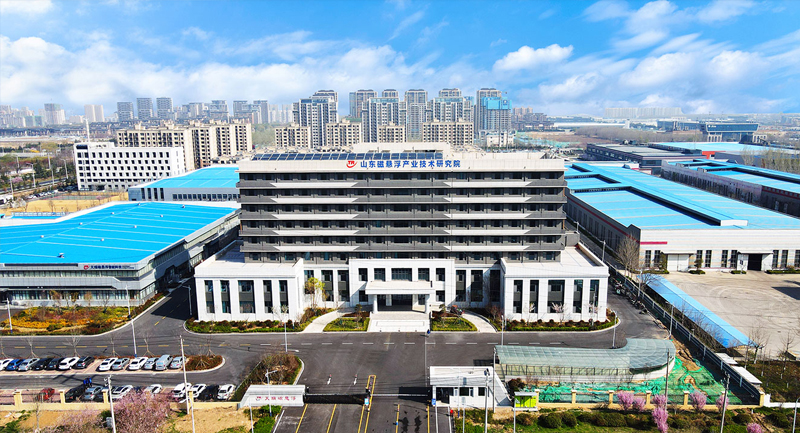

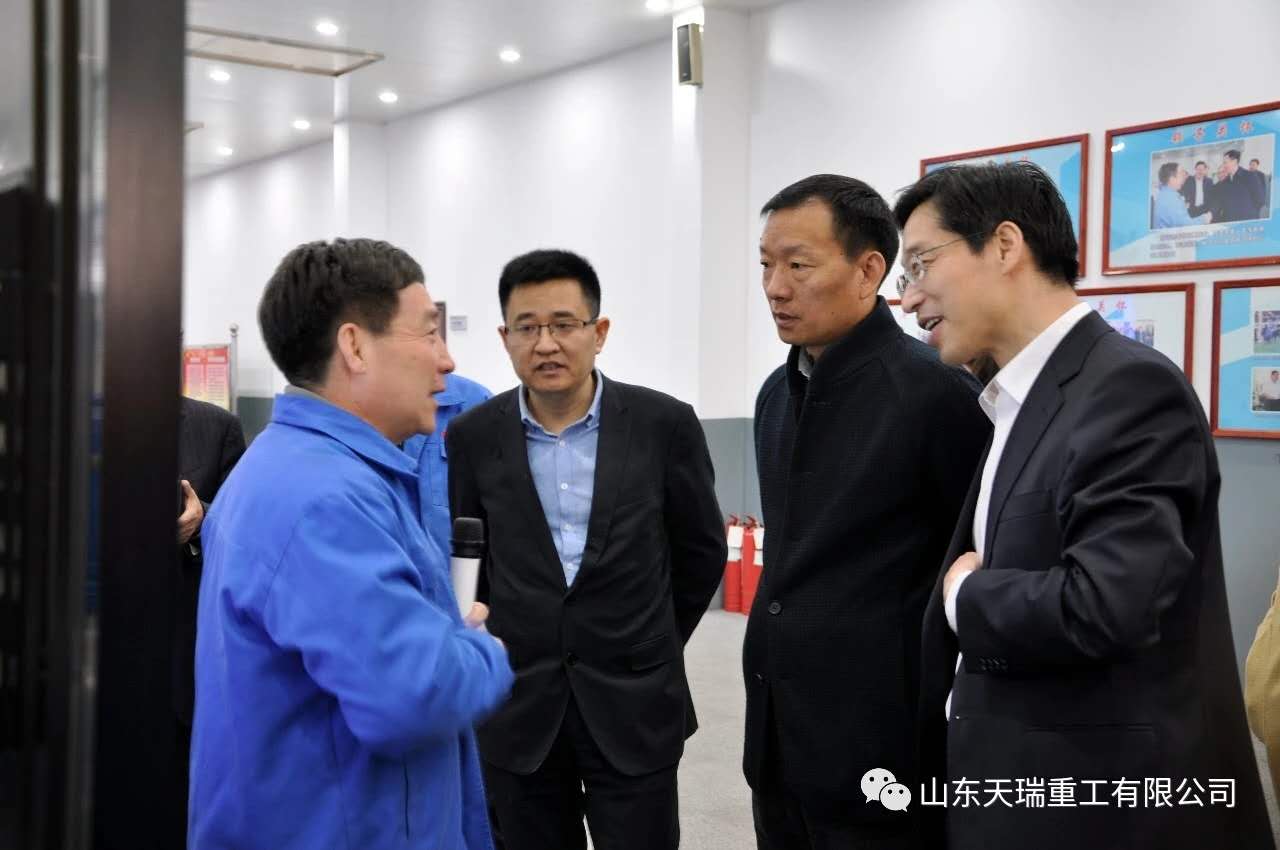 Visit Tianrui heavy industry to investigate Shandong Tianrui Heavy Industry Co., Ltd
 重磅发布!天瑞重工获山东省专利一等奖,董事长李永胜外籍院士获山东优秀发明家奖
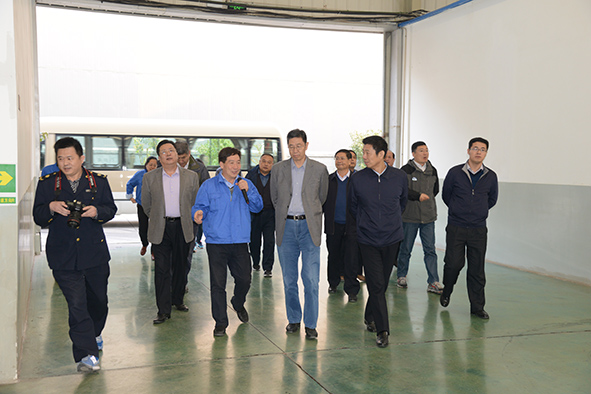 山东省质量强省及名牌战略推进工作领导小组莅临天瑞重工实地核查质量工作开展情况